A roof under dense pine ages on the slopes no one can see from the driveway. An inspection is a written account of what is there: condition, likely remaining life, and anything that should be repaired before it becomes a leak.
Buying. The general home inspection looks at the roof; a roofing contractor’s inspection looks harder, including the attic side of the decking and the flashing details a generalist often passes over.
Selling. Knowing the roof’s condition before listing avoids a surprise in negotiation, and gives time to get approval for any repair before closing.
After a strike or a storm. Even when nothing looks wrong. Limb damage is often hidden under intact shingles.
Every few years under canopy. For shaded roofs in Grogan’s Mill, Panther Creek and Alden Bridge, where algae, needle-packed valleys and branch wear build slowly.
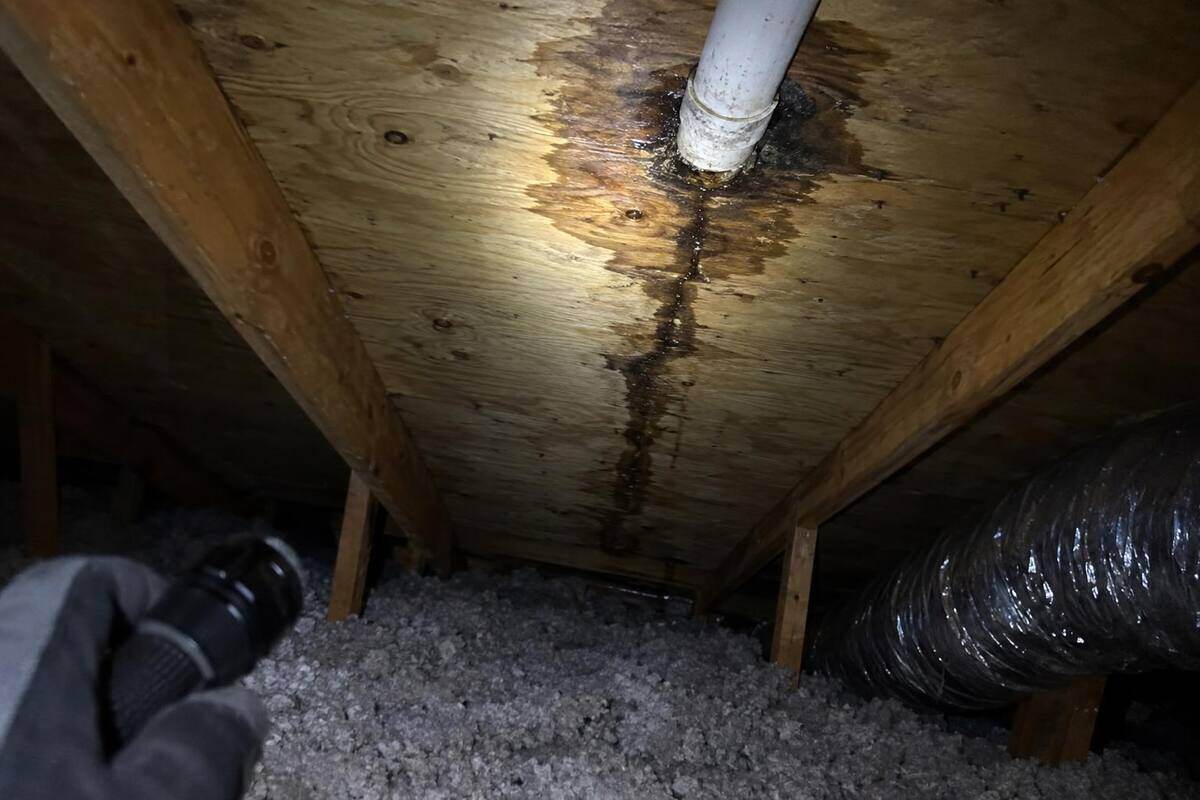
The roofing material and its approximate age; the condition of each slope; flashing at walls, chimneys, skylights and vents; valleys; visible decking from the attic, including stains and soft spots; ventilation; gutters and where downspouts discharge; and photographs of anything noted. It should end in plain terms: sound, needs specific repairs, or approaching replacement.
A roof inspection is not a structural engineering report, and it is not a statement about insurance coverage. If a roof is being considered for tile or slate, the framing question may need an engineer; the contractor should say so.
Usually an hour or two, including the attic. Steep or tile roofs can take longer.
Where it is safe, yes. Tile and slate are inspected carefully or from a ladder and the attic, since walking them can break pieces.
It can support one. Photographs and a written description make clear to a committee why a repair or replacement is needed.
Ask for a roof inspection. Say whether it is for a sale, and when.
Call (936) 703-2063 Request an Assessment Woodlands Roofing